How to Build Executive Presence (Command Respect Without Faking It)

You walk into a meeting and one person changes the entire atmosphere without saying much. When they finally speak, the room is silent. That is executive presence—the ability to project credibility, calm, and clarity in every interaction. It is not a talent you are born with, and it is not a performance. It is a set of behaviors that anyone can learn and practice.
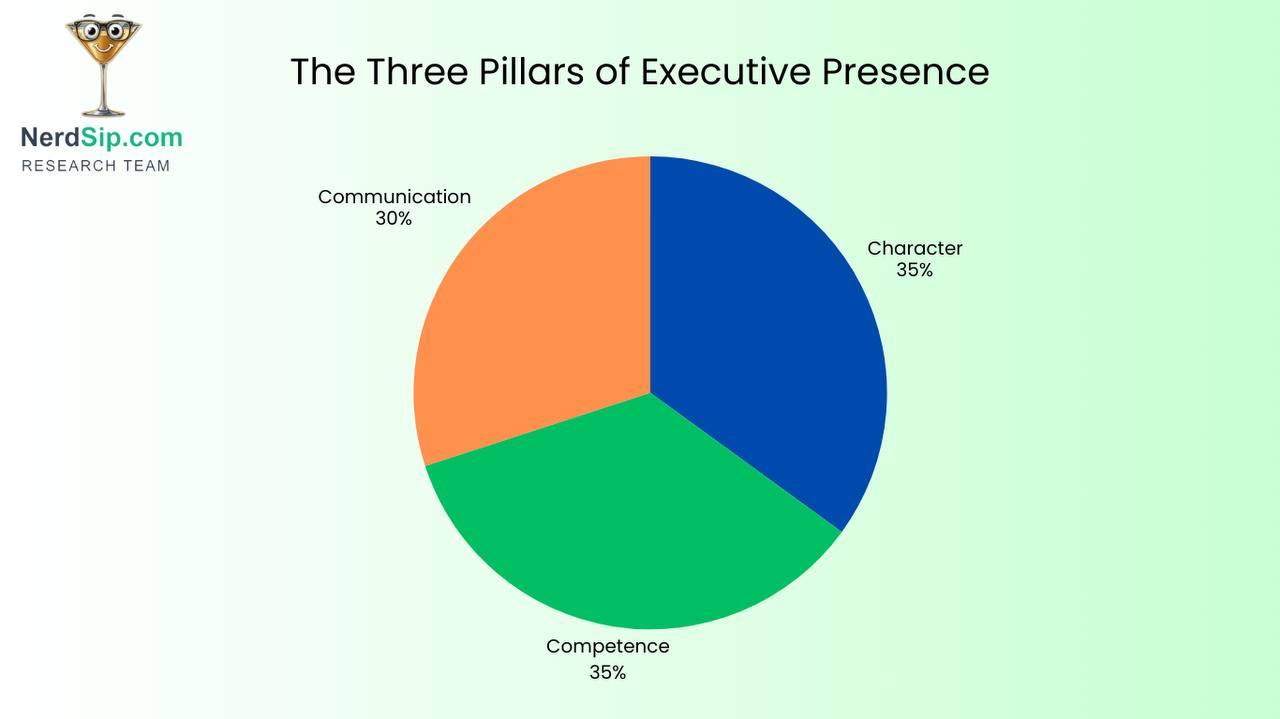
When you build executive presence authentically, you get promoted faster, people trust you with bigger projects, and your ideas travel further. The goal is not to become louder or to fake charisma. The goal is to build real presence rooted in character, competence, and communication.
The Three Pillars of Executive Presence
Executive presence comes from three components working in sync.
Pillar 1: Character
Character is the foundation. It is doing what you promise, being honest when it is inconvenient, and standing for something. You cannot hack character. People notice whether your words match your actions.
Build it: follow through on every commitment (including small ones), speak honestly about what you know and what you do not, and own your mistakes without excuses. Consistency is the most underrated leadership flex.
Pillar 2: Competence
Presence without performance is theater. You need to be visibly good at your craft. That means mastering the fundamentals of your role, shipping meaningful work, and keeping your skills sharp.
Build it: create a learning backlog, block time for deep work, volunteer for projects that stretch you, and measure progress weekly. People respect the person who is confident and delivers.
Pillar 3: Communication
Most talented people fall short here. Communication is not talking more. It is signaling calm, clarity, and intention—especially when the pressure spikes.
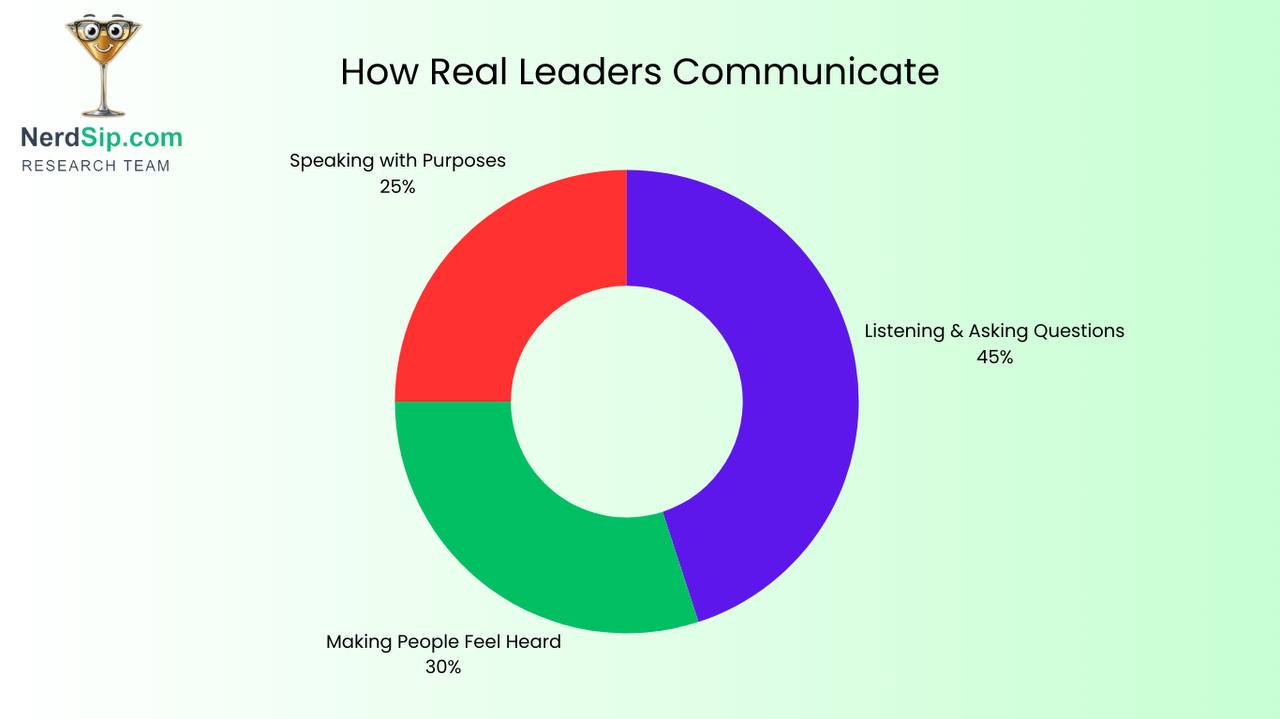
Build it: speak in short, certain sentences; listen actively; ask questions that advance the conversation; and pause before responding. Make people feel heard and the respect follows.
The Body Language of Real Presence
Presence shows up in your body before it shows up in your words. Your posture, movement, eye contact, and gestures all broadcast your confidence level.
Posture and Movement
Executives move deliberately. Their shoulders are open, their stride is intentional, and they take up space instead of shrinking. Small adjustments—uncrossing your arms, lifting your sternum, grounding your stance—signal authority.
Eye Contact and Facial Expression
Hold eye contact for three seconds at a time when speaking or listening. Relax your face when you disagree so you do not leak contempt. Interest reads as respect.
Hand Gestures and Voice
Use purposeful gestures that reinforce your message. Keep your hands visible even when you are not speaking. Record yourself to audit pace, filler words, and pitch. Calm pacing, intentional pauses, and steady volume make you sound decisive.
The Behavioral Signals People Notice
Beyond body language, there are behavioral cues that instantly telegraph leadership.
You Stay Calm Under Pressure
Presence is tested when surprises hit. Executives breathe deeper, slow the room down, and get more focused as the stakes rise. Preparation creates calm.
Practice: rehearse high-stakes moments, visualize the first 30 seconds, and enter every important conversation with a written objective.
You Listen More Than You Speak
In meetings, aim for 70% listening, 30% talking. Executives absorb the full context before moving the room forward with one clear point.
You Decide with 70% of the Information
Waiting for perfect data is how opportunities die. Gather enough signal, declare a decision, and own the outcome. Presence is confidence paired with accountability.
You Give Credit and Take Responsibility
Credit flows to the team when things go well. Responsibility stops with you when things go sideways. That combination builds loyalty fast.
The Micro-Learning Path to Executive Presence
Trying to upgrade every behavior at once leads to fake confidence. Instead, build presence the NerdSip way: one behavior per week, practiced through daily five-minute drills.
- Week 1: Physical presence—posture, movement, and eye contact.
- Week 2: Vocal presence—pace, tone, pauses, and filler words.
- Week 3: Listening + engagement—ask great questions, mirror, summarize.
- Week 4: Decision-making + calm—set deadlines, decide, and communicate clearly.
By day 30 you have practiced 30 different presence behaviors in real meetings. That is not a costume—it is a new baseline.
The 30-Day Executive Presence Challenge
Here is how to run your own sprint:
- Record yourself during a meeting to collect honest feedback.
- Pick one behavior to emphasize each week and track it daily.
- Ask a trusted peer for observations at the end of every week.
- Log decisions you made with 70% of the info and what you learned.
At the end you will not feel like you are “acting like an executive.” You will simply be the person who leads with calm, clarity, and credibility.
Start This Week
Choose one behavior—posture, voice, listening, or decision-making—and obsess over it for the next seven days. Record yourself, take notes, and treat every meeting as practice. Next week layer on the next behavior. In a month you will not be faking presence; you will have built it.
Want Daily Executive Presence Drills?
Join NerdSip for five-minute micro lessons, video-based feedback, and streaks that keep you consistent.
Join the Waitlist →