It's How We're Made
Here's something to think about: wanting to win isn't a bad thing. It's part of how your brain works. We grew up in times when knowing where you stood mattered for survival. That's still in our brains, waiting to be used.
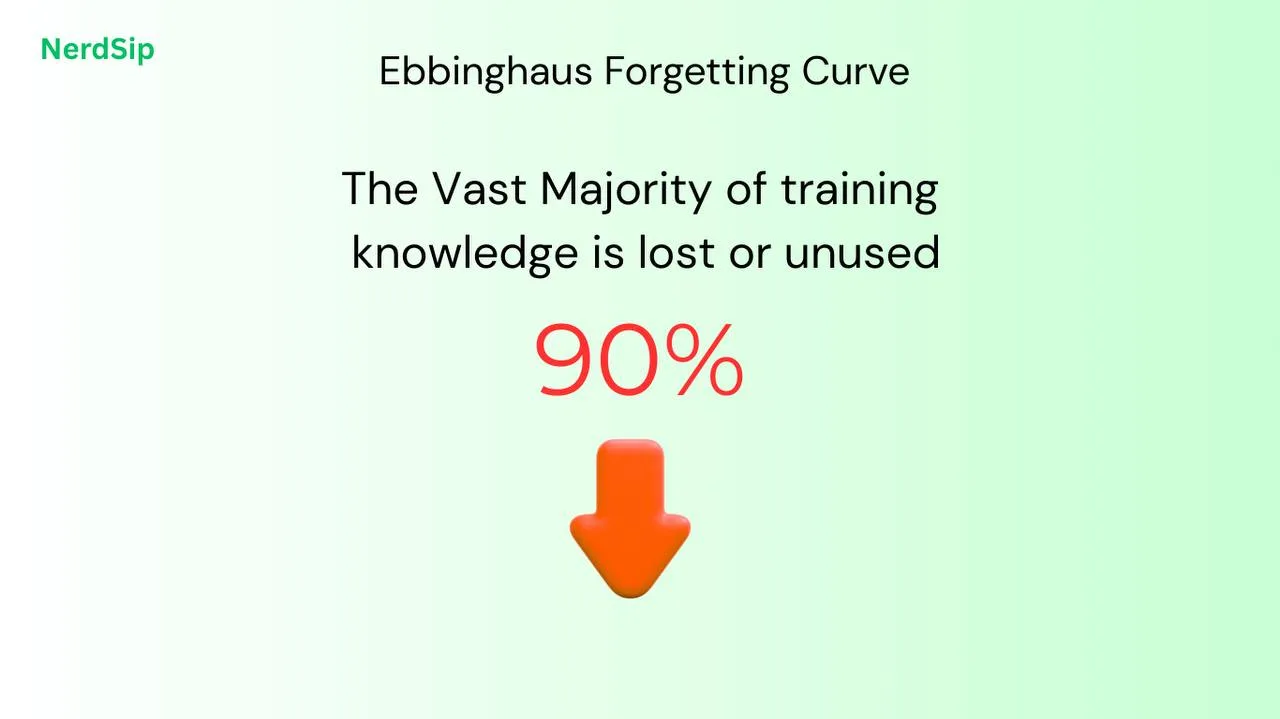
But when it comes to learning, we've often taken away comparison, competition, and feedback. Then we wonder why people aren't interested. Here's a worrying number: without real interest, about 90% of company training doesn't change how people do their jobs. People attend trainings, maybe take notes, and then go back to doing things the same way. It's not that they don't know, it's that they don't care.
So, what works? When you use leaderboards the right way, things change. Your brain doesn't just take in info, it looks for ways to get involved and get better. And it really works. People learn faster, remember more, and keep the info longer. This is why micro learning apps that incorporate gamification elements see dramatically higher engagement rates.
The Dopamine Secret (Everyone Gets This Wrong)
You may have heard that dopamine is a feel-good thing that floods your brain when you win. But that's not really what it does. That's more like endorphins. Dopamine is different. It's about wanting and expecting. It's why you check your phone all the time. It's why people are obsessed with streaks. It makes you want something before you have it.
In your brain, there's a motivation center. Dopamine is like the fuel for it. But here's the important part: dopamine is released before you get the prize, not after. The moment when you realize you're close to moving up on the leaderboard? That's when dopamine kicks in. Not when you actually move up. Just the thought of moving up is what does it.
This makes your brain want more. You're not just learning, you're training your brain to look for the next win. It happens automatically. Dopamine doesn't make you feel good right away. It tells you something is important and grabs your attention.
When you create learning systems with rewards, feedback, and recognition, you keep that dopamine system going. People stay interested because their brains are made to. This is why leaderboards are so much better than normal teaching. You're not fighting against human nature. You're using how people's brains work.
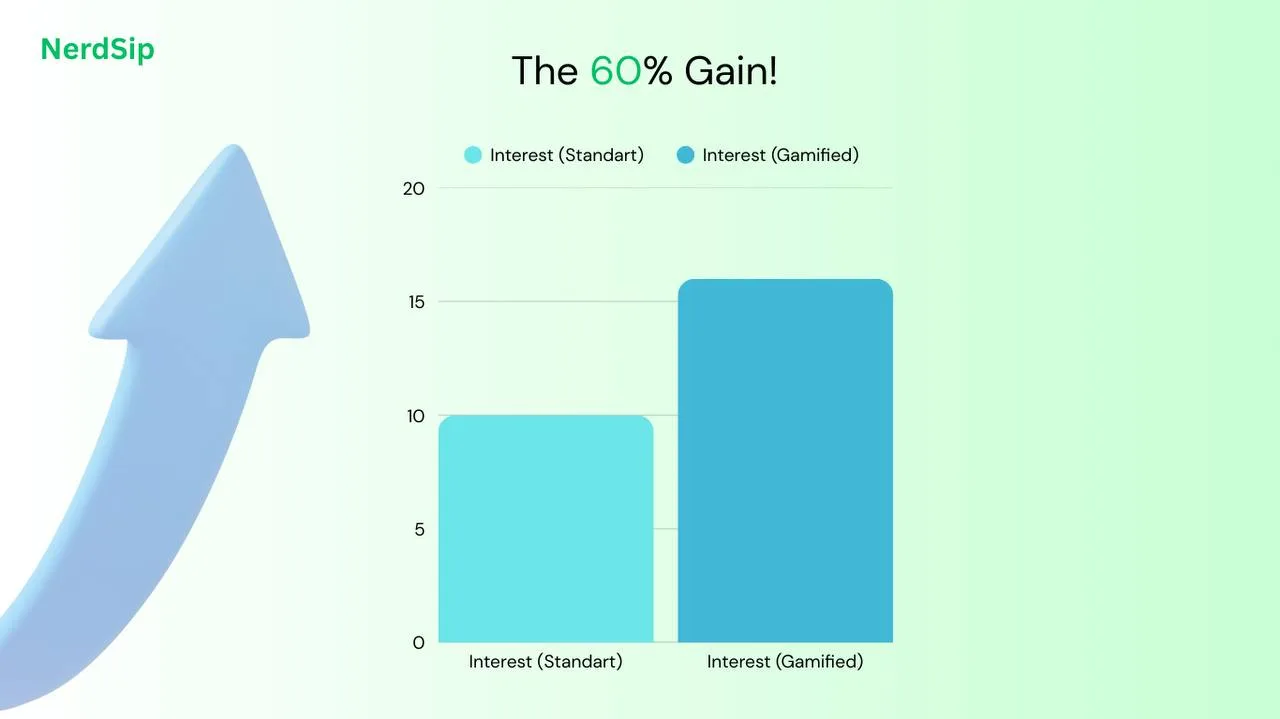
Research shows that learning with games and leaderboards can increase interest by 60% compared to regular methods. That's a big deal—especially for micro learning platforms that need to keep users coming back daily.
The Comparison Thing (We Can't Help But Compare)
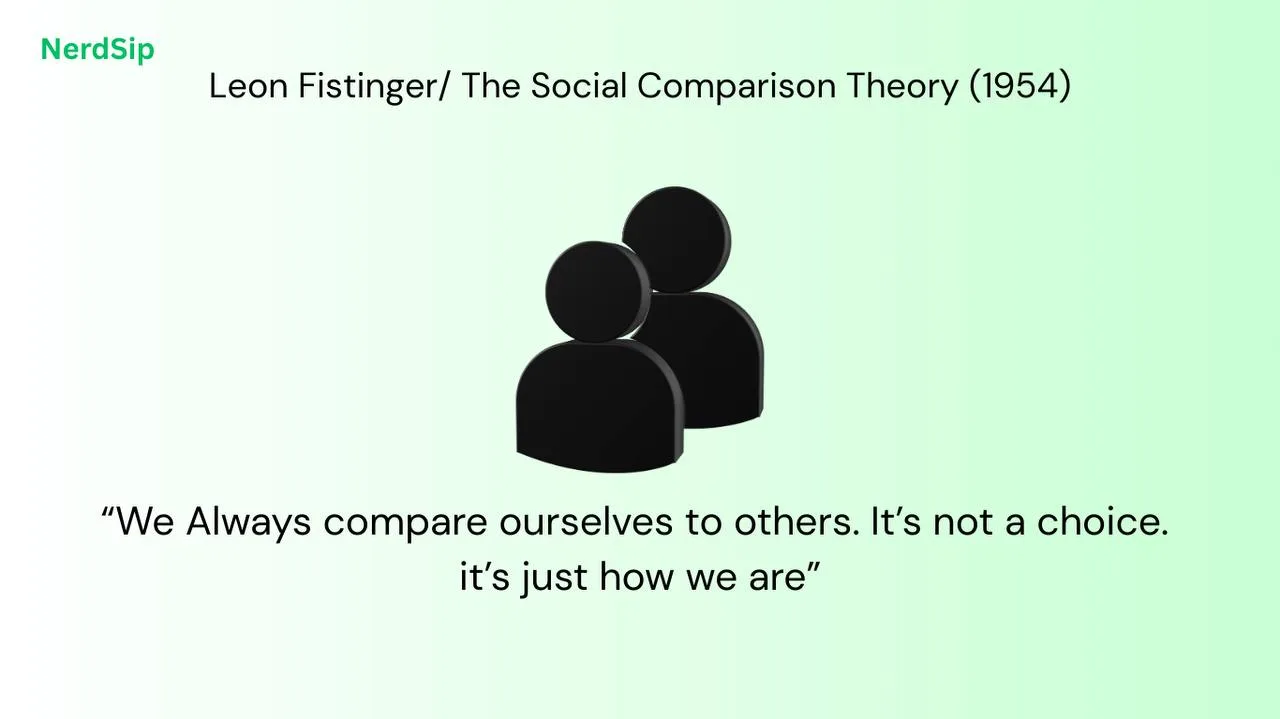
Back in the 50s, a psychologist named Leon Festinger came up with the Social Comparison Theory. It's simple: we always compare ourselves to others. We don't decide how good we are on our own. We look at others and ask: how do I stack up? It's not a choice. It's just how we are.
Leaderboards just make it easier to do what we already do naturally. When people see where they stand on a leaderboard, something clicks. It's just how we're wired. And when it's done right, it can be a great motivator.
The numbers show it. About 83% of people using games and rewards feel motivated. Compare that to regular training, where only about 61% feel the same. That's a big difference caused by comparing ourselves to others and being competitive.
And here's the thing: motivation isn't just a feeling. It changes what we do. When someone moves up a leaderboard, they get noticed. That makes them feel good about themselves. It makes them want to keep getting better.
There's an example of this. A teacher started posting student scores and celebrating the daily leaders. The principal would come in and congratulate them. What worked was focusing on how much effort students put in and how many lessons they finished, not just on perfect scores. The list changed daily, so everyone had a fresh start. What happened? Everyone got more involved. The leaderboard didn't discourage anyone, it motivated them.
The Flow State: Learning That Feels Natural
There's a concept that's important for understanding why leaderboards work so well. It's called Flow. Flow is when you're so into what you're doing that you don't notice anything else. The challenge is just right for your skills.
Think about it: If something's too easy, you get bored. If it's too hard, you get annoyed and quit. Flow is in the middle, where the challenge is just hard enough.
When you're in Flow, you pay attention to what you're doing. You don't worry about anything else. Stress goes away. And learning becomes something you want to do. Leaderboards help create Flow by giving you constant feedback that keeps you in that perfect middle area.
Progress bars show where you are. Scores give you set numbers. Ranking systems tell you your position. As you get better, things get harder to match your skills.
When you put it all together – the leaderboard, the feedback, the right amount of challenge – you create Flow. That's the best way to learn. When someone hits that Flow state, learning becomes something they enjoy.
The Psychology: Meeting Our Needs
Leaderboards work because they meet needs we have beyond just wanting to win. Research shows that people are most motivated and happy when they have control over their choices, feel like they're getting better, and feel connected to others.
Having control means getting to make choices about your learning. Maybe you pick your character. Maybe you pick what to learn first. That makes training something you're doing, not something being done to you.
Feeling like you're getting better is important. We want to improve. Leaderboards show this through levels, skill trees, and badges. These make progress easy to see.
Being connected to others is key. We're social creatures, and we want to belong. Good leaderboards include team challenges and ways to recognize others. This makes learning a team thing.
The Design Mistake That Ruins Leaderboards
Here's where many organizations mess up leaderboards. A badly designed leaderboard will kill interest. When people feel like they can't possibly get on the leaderboard, or when the same people always win, the whole thing goes wrong. Instead of feeling motivated, people give up.
So, design really matters. And this is where it gets interesting. Different people react to competition differently. Some people love it. For others, it makes learning harder. Research shows that men and women often react differently. That's why optional leaderboards often work better.
Comparing people directly can backfire. Instead, leaderboards that show how much you've improved or what you've learned can encourage growth. That's why some effective leaderboards use groups. Instead of one list, there's a list for new learners compared to other new learners. This gives more people a chance to succeed.
The Proof: The Numbers Are Good
This isn't just a theory. Organizations have measured how leaderboards affect results:
- Learning with games and rewards boosts interest by up to 60%
- 95% of people prefer learning this way
- 83% feel motivated with gamified training vs. 61% with standard training
- Games can cut training time for new workers by 50%
- Gamified training leads to 14% higher skill test scores
- 90% of workers say games make them more productive
People don't just feel more involved. They learn more and remember it longer.
How Your Brain Learns Best
Understanding how the brain works helps explain why leaderboards are different from normal teaching. Your brain remembers stories, especially emotional ones. When games use stories – creating characters, setting quests, telling stories – they use how your brain processes info. That's why stories stick better than lectures.
Too much complex stuff can overwhelm your brain. This is exactly why micro learning works so well—it breaks things down into small, digestible parts and gives quick feedback. Your brain doesn't have to keep track of its own progress. It can focus on learning.
Building Motivating Leaderboards
Not all leaderboards work. How you set them up matters.
Start with an aim
What do you want to encourage? More learning? Better test scores? More discussion? Once you know what you want, design a leaderboard that helps.
Be fair with a tiered system
Everyone should have a chance to see how they're doing compared to others like them.
Give quick feedback
Leaderboards take knowledge and make it visual. Update it often. Show where people stand and how they can improve.
Use symbols that are easy to understand
Badges and trophies should be clear without explaining.
Make your leaderboard visible
If people see it often, they'll want to improve.
Respect privacy
Some people don't want their names shown. Allow them to join without showing their name.
Consider team leaderboards
Teams encourage working together.
The Future: AI and Personalized Learning
We're seeing leaderboards get better with AI. AI doesn't just collect info. It understands it. By looking at how each person learns, it can change the learning as it happens. This makes learning personal.
AI can keep you in Flow by giving you the right challenge at the right time. What's more, AI can learn what motivates each person. Some people want to win. Others want to learn. Some care about being recognized. AI can use this info to change the rewards and challenges.
This is the future of micro learning—personalized, AI-driven experiences that adapt to each learner's pace and preferences.
Conclusion: Our Brains Haven't Changed
Your brain grew up in a world where knowing where you stood was important. Wanting to compete and seek recognition is part of how you're made. For years, that's kept humans going. Then teaching came along and tried to remove it. That was a mistake.
When leaderboards are well-designed, they use human nature. They create learning situations that match how your brain works.
The research is clear. Interest jumps 60%. Learning gets better. Training time drops in half. Beyond the numbers is something more important: wanting to learn. Leaderboards unlock the kind of motivation that comes from within. They make learning something people enjoy, not something they hate.
Your brain is built for this. It's made to compete, improve, and learn. The question isn't whether these things work. It's why we waited so long to teach in a way that matches how our brains work. This is exactly why retention through gamification is one of the three critical pillars of sustainable growth—you can acquire users and convert them, but without retention, you're just pouring water into a leaky bucket.
References & Further Reading
Every NerdSip course clears a four-layer fact-checking pipeline before it reaches the app: grounded in live sources, scored nightly, gated on failure, and reviewable by a person at one tap. Articles on this blog are drafted with AI assistance, then researched, verified, and edited by our team.
Editorial responsibility: ai51 UG (haftungsbeschränkt). Responsible editor named in the imprint.
📚 Keep Learning
Explore the NerdSip learning hubs
The blog is our editorial layer. When you want to move from reading into doing, these hubs organize the rest of NerdSip by format, including the app itself and the press that has written about it.
Ready to Level Up?
Turn your screen time into knowledge. Download NerdSip and start learning in just 5 minutes a day.
4.7 stars from 510 reviews · 10,000+ learners