
You've likely engaged with ChatGPT in the past. You ask it something, get the answer that is somewhat satisfactory, and then you carry on. That is how most people interact with AI currently. However, there is a vast difference between the two. To be specific, the difference lies in prompt engineering.
Prompt engineering refers to the proficiency of formulating queries to an AI in a manner that yields outstanding responses rather than average ones. For instance, it is the difference between simply requesting ChatGPT to "compose an email" and receiving a mundane corporate-style email versus getting something that is truly helpful.
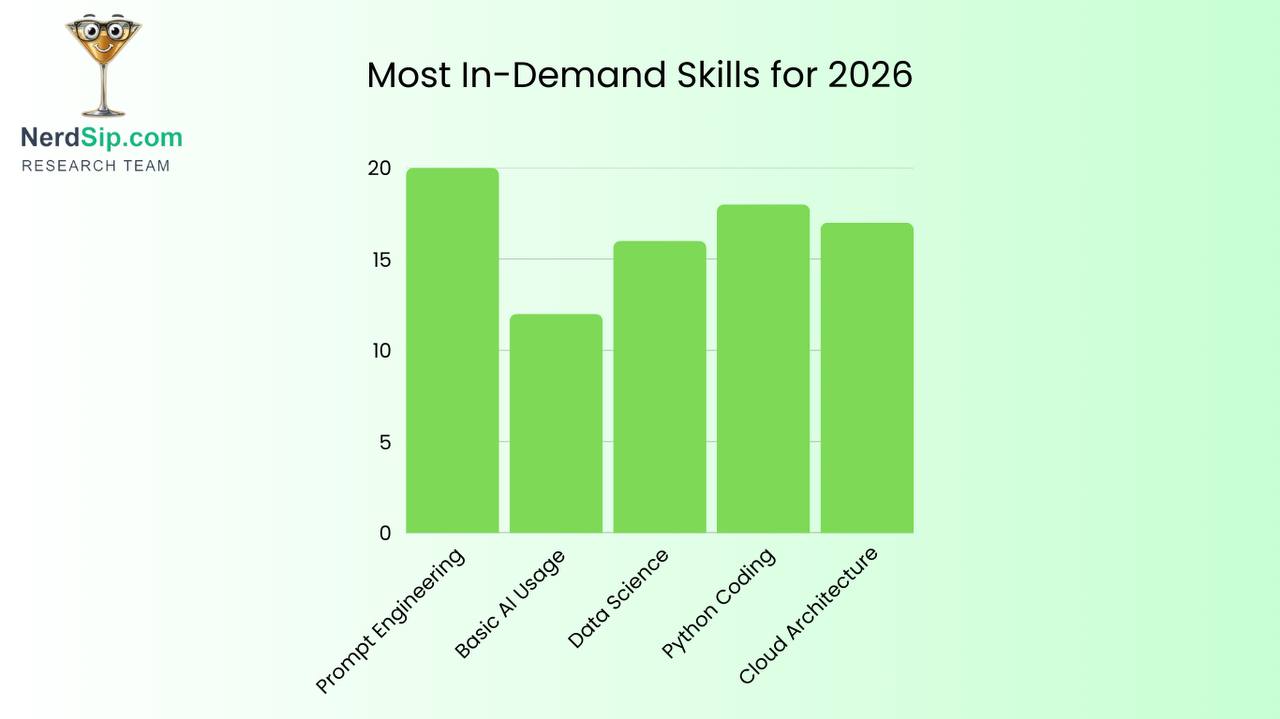
The shocking part about it is prompt engineering will be one of the most sought-after skills in 2026. There is a surge in the demand for people efficient in AI to be hired by companies. On the other hand, the freelance market is bustling with requests for prompt engineering services. The jobs which were nonexistent two years ago now offer more than $100,000 to those who are proficient in prompt engineering.
However, the majority of people are not aware of what prompt engineering really is. They assume that it is simply talking to AI in a better way. While that is somewhat true, the real skill lies much deeper. This article guides you to the skill of prompt engineering. Not just to use AI casually, but truly mastering it to the extent that AI becomes your competitive advantage in your work.
Why Prompt Engineering Is Still Important in 2026
The fact remains: AI is not a novelty anymore. By 2026, everyone is able to use the likes of ChatGPT, Claude, Gemini, or around 50 other models. The competition is fair. Everyone has the same tool at their disposal. So what is it that still separates the great users of AI from the mediocre ones?
The prompt—the question—the manner in which you request something. Two people use the same AI model. One gets a generic response that takes hours to edit into something usable. The other gets a response that's 80% ready to go. The difference isn't the model. It's how they asked the question.
That is the reason why prompt engineering is becoming an indispensable skill. As AI penetrates deeper into our lives, the skill of getting the maximum value out of it will become even more valuable. It is the difference between AI being a tool that makes you 20% faster, or one that can multiply your output by 10 times.
Businesses are aware of this. They are recruiting prompt engineers to make their work processes more efficient. Freelancers are charging thousands per custom prompts. Those who know how to write good prompts are creating a career path in this field. And here is the punchline: it is a skill that can be learned. You do not have to be a computer science graduate. You do not need 10 years of experience. You just have to understand the principles and apply them.
The Core Principles of Effective Prompts
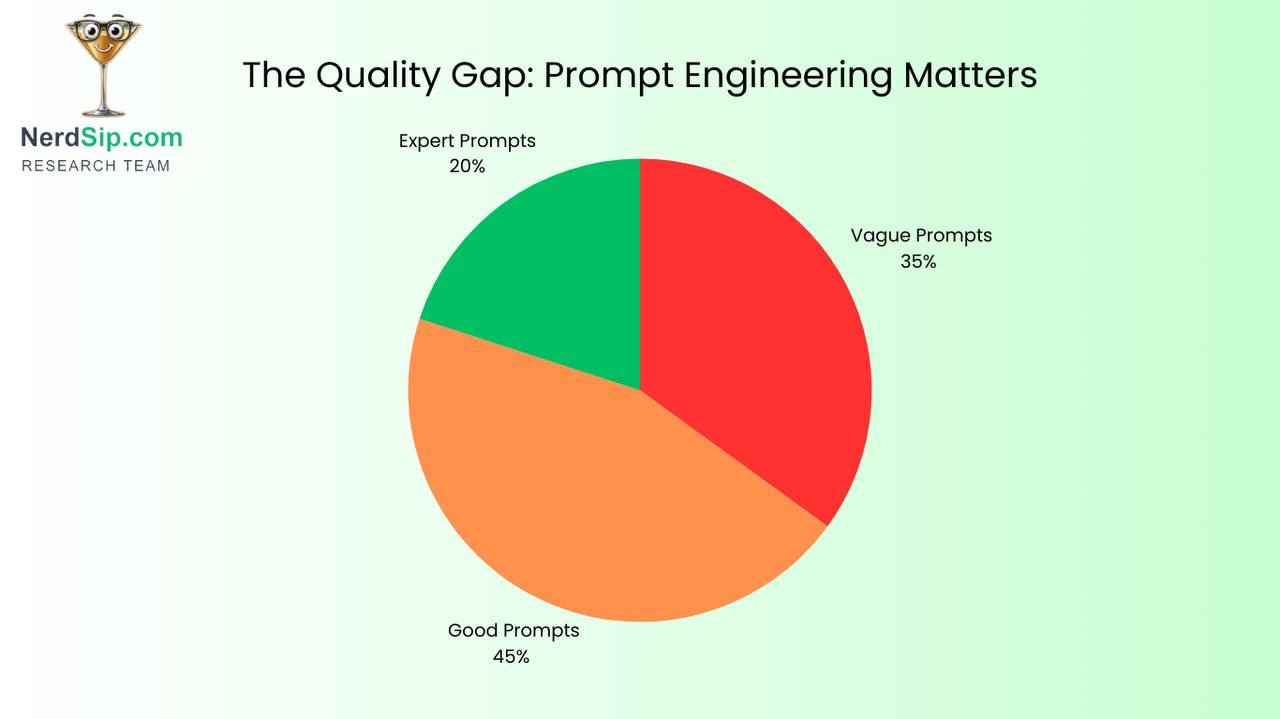
Good prompt engineering is centered around a few basic principles. If you master them, you will be in the top 20% of users already.
Principle 1: Be Specific, Not Vague
Bad prompt: "Write me an article about AI."
Good prompt: "Write a 1,500-word article about how prompt engineering is becoming essential for sales teams in 2026. Include real examples of companies using it and tangible ROI metrics. Write in conversational tone, not academic."
See the difference? The good prompt tells the AI exactly what you want: length, topic specificity, angle, tone, what to include. Vague prompts get vague answers. Specific prompts get specific answers.
Principle 2: Provide Context and Constraints
AI doesn't know who you are or what your situation is unless you tell it.
Instead of: "Help me write a cover letter."
Try: "I'm applying for a Senior Product Manager role at a B2B SaaS company. I have 8 years of experience in marketing and 2 years as a PM. This company values innovation and moving fast. Write a cover letter that shows I understand their product and can hit the ground running. Keep it under 300 words."
The context helps AI understand what's appropriate for your specific situation.
Principle 3: Use Role-Playing and Persona
Sometimes you get better results by telling AI to adopt a persona or role.
Instead of: "Explain growth hacking strategies."
Try: "You're a growth hacker at a Series B startup that just raised $10M. We have a hot product but nobody knows about us yet. You have a team of 3 people and a $50K marketing budget. Give me your top 5 growth strategies for this situation."
Principle 4: Break Down Complex Tasks
Don't ask AI to do everything at once. Break it down into steps. If you want a business plan, ask for the executive summary first. Then the market analysis. Then the financial projections. Now AI tackles each piece separately instead of trying to do everything at once.
Principle 5: Iterate and Refine
Most of the time, your very first prompt does not yield exactly what you want. The skill lies in iterating. You ask AI a question. You get an answer. You refine it: "That's good but make it more concise" or "Add more examples" or "Write this in a different tone." Each iteration brings you closer to what you really want. The best prompt engineers don't get it right on their first try. They iterate until they achieve perfection.
The Framework: Perfect Your Prompts in 4 Steps
Here is a method for consistently writing effective prompts.
Step 1: Define Your Goal Clearly
What do you really want? Not "help me with my project." What exactly do you want to create? Write it down. Be exact. "I want a 500-word LinkedIn post about AI safety that makes me a thought leader but without being preachy."
Step 2: Set Constraints and Context
What are the rules? Who is the audience? What tone? What format? "Target audience: tech founders. Tone: conversational but authoritative. Include 2-3 specific examples. Keep it to 500 words. Make it shareable."
Step 3: Write the Prompt with Clarity
Now, you have the goal and constraints. Write the prompt for the AI. This is the actual message you send. Make it clear and specific based on what you figured out above.
Step 4: Iterate and Refine
Get the response. It's never perfect. Work on it with the refinement tool. "That's great but add more data points" or "Make it 30% longer" or "Rewrite this section to be less corporate." Each refinement gets you closer.
The NerdSip Accelerator: You can learn prompt engineering much faster if you practice it consistently with micro-lessons. Instead of reading a giant textbook on AI, you learn one core principle at a time. Day one: Learn specificity. Day two: Learn context and constraints. Day three: Learn persona-based prompts.
By day 30, you've practiced 30 different prompt scenarios. Your muscle memory is developed. You're writing good prompts without thinking about it. This is where micro-learning platforms like NerdSip shine for skill development like this. You don't need to block off two hours to learn prompt engineering. You need five minutes daily to practice one prompt principle.
The gamification aspect actually matters here: you write a prompt, test it against an AI, compare it to the "ideal" version, earn points. You see your streak grow. You're competing on leaderboards for best prompts. Suddenly you're motivated to get better because it feels like a game, not studying. And because you're practicing daily on realistic prompts, the skill actually sticks. You're not just reading theory. You're doing.
The 30-Day Challenge to Mastering Prompt Engineering
If you really want to get good at this, here is the method. It's similar to how you would learn any skill faster using science-backed methods.
Week 1: Learn the Fundamentals
Learn the 5 principles that are described above. One principle per day and one day for review. For each principle write 3-5 prompts that apply that principle. Test them. See what works.
Week 2: Practice on Real Problems
Don't work with toy examples anymore. Use prompts to solve real problems that you have. Write a prompt for something that you really need. Refine it until it's perfect. Document the final version. Do this for 5 different tasks.
Week 3: Advanced Techniques
Deepen your knowledge with advanced techniques: chaining prompts together, prompt templates, using examples to train the model. Practice them on difficult issues. Become proficient in breaking down large problems into prompt chains.
Week 4: Master Your Niche
Choose a particular field in which you want to be a prompt expert: sales, marketing, coding, writing, design. Write 20+ prompts that are specific to that domain. Refine them. Document them. Build a personal library of your best prompts.
By the 30th day you have written more than 50 prompts. You have refined and tested them. You know how to ask AI for what you want. You are not an amateur any longer.
The Real Opportunity
Master this in 2026, and here's why: demand will be off the charts. To be honest, people are still figuring out how to use AI even in a casual way. But in 2026 businesses will see the potential of AI to double or triple the output and at the same time cut costs. Using AI smartly, they will want to hire people who know it.
On freelance platforms, there is a huge number of requests for: Custom prompt development, AI workflow optimization, Prompt engineering training, and building AI-powered products. Most of these projects are paying well because hardly anyone knows how to do it. Master prompt engineering within 30 days, and you will have a skill that is genuinely in demand and relatively rare. That's your competitive advantage.
Start Today
The AI tool is already at your disposal. You don't need anything else but consistent practice to become a master. Choose one principle from this article. Create three prompts related to that principle. Try them. Determine what is effective. Modify them.
If you do this every day for 30 days, you will be actually proficient in prompt engineering. That is a skill that will be valuable in 2026. That is a skill that increases your output. That is a skill that counts. Start today. Practice one principle. Refine one prompt. Tomorrow, do it again. You won't believe it in 30 days, but that's what happens when you actually know how to ask AI.
Ready to Master AI?
Join NerdSip today and start your 30-day prompt engineering challenge. Build the skills that will define the future of work.
Join the Waitlist →
