No, it is not too late to learn something new at 60. Your brain keeps rewiring itself throughout life, a process neuroscientists call neuroplasticity, and older learners bring genuine advantages. The real obstacle is not your age. It is the myth that learning has to mean long, intimidating study sessions. Five focused minutes a day is realistic, and it is enough to begin.
The short answer: your brain never stops learning
If you have quietly worried that you have aged out of learning, let this settle the question. You have not. The idea that the adult brain is fixed and unchangeable was overturned decades ago. Neuroscientists have shown that the brain remains plastic throughout life, constantly forming and reshaping connections in response to what you do. Every time you learn a new fact or practice a new skill, your brain physically changes to accommodate it.
This is not wishful thinking or a motivational poster. It is one of the most robust findings in modern neuroscience. Your 60-year-old brain forms new neural pathways using the same fundamental machinery it used at 20. To see how that machinery works, our explainer on how your brain rewires itself walks through it in plain language.
What actually changes with age (and what does not)
Let us be honest rather than merely cheerful. Some things do shift. Processing speed, how quickly you take in and juggle new information, tends to slow a little. Names might take an extra second to surface. That is normal and not a sign that learning has become impossible.
What stays intact is the core ability to form new memories and master new skills. And here is the part the anxious version of this question misses entirely: older learners have real advantages.
- Context. Decades of experience give new information places to attach. You connect the new to the known faster than a young beginner can.
- Patience. You are less likely to quit at the first frustration, which is the single biggest predictor of who actually learns a skill.
- Motivation. You are learning because you want to, not because a syllabus told you to. Intrinsic motivation is a powerful engine.
- Strategy. A lifetime of learning has taught you how you learn best.
The proof is everywhere
History and daily life are full of late starters. People take up painting in their 70s, learn to code in their 60s, pick up a second or third language after retirement, and run marathons for the first time in their later years. Research backs up the anecdotes. A landmark study found that older adults who took on a demanding new skill, digital photography, showed real memory improvements, proof that the aging brain still responds to a genuine challenge.
The National Institute on Aging actively recommends learning new things as part of healthy cognitive aging. The scientific establishment is not hedging on this. Staying curious and taking on fresh challenges is one of the best things you can do for your mind. If you are wondering what to pick, our guide to the best things for retirees to learn is full of ideas worth stealing.
Why five minutes a day beats the marathon
Here is the reframe that changes everything. Most people picture "learning something new" as signing up for a semester-long course, buying textbooks, and blocking out hours you do not have. That picture is exhausting before you even start, and it is why so many good intentions never survive the first week.
The realistic on-ramp is much smaller. Consistency beats intensity. Five focused minutes a day, repeated, will carry you further than a three-hour session you do once and never return to. Small daily practice fits into a retirement morning, it does not deplete you, and it compounds. Learn a little each day for a month and you will surprise yourself.
| The old myth | The realistic truth |
|---|---|
| My brain is too old to learn | The brain stays plastic and keeps learning for life |
| Learning means hours of study | Five focused minutes a day compounds fast |
| I have no advantages as an older learner | Context, patience, and motivation are real edges |
| It is too late to start now | The best time to start is today |
How to actually begin
Pick something you are genuinely curious about, not something you think you should learn. Curiosity is fuel, and at this stage of life you have earned the right to follow it. Then make the first step tiny enough that it feels almost too easy. A five-minute lesson. One new word. A single quiz.
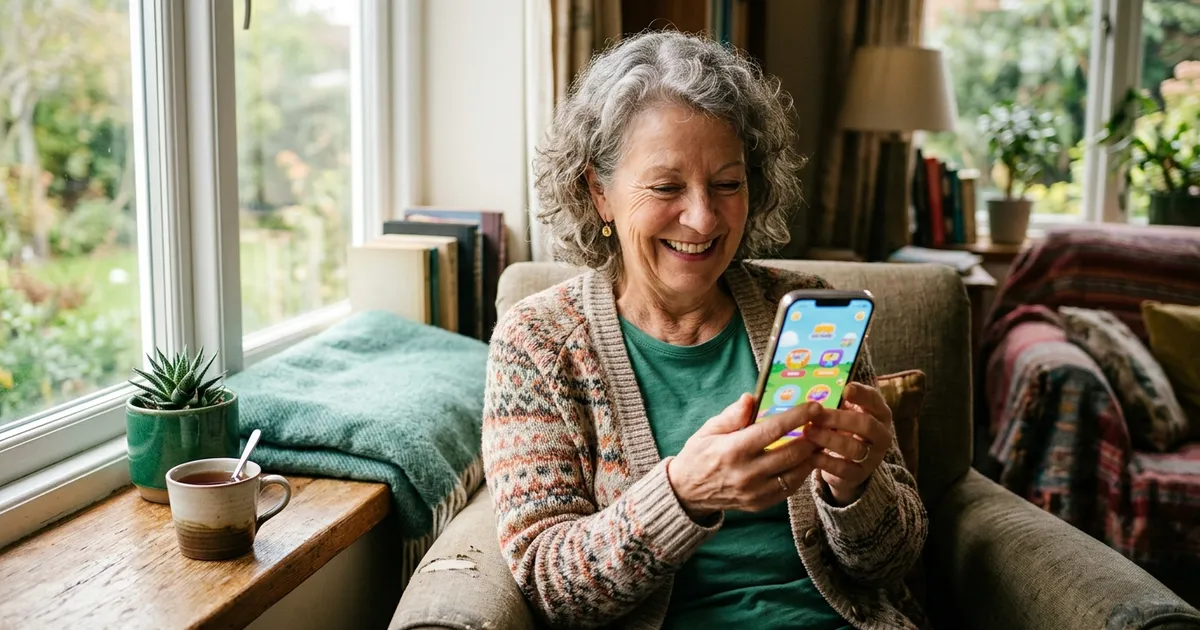
This is exactly the on-ramp NerdSip was built for. It turns any topic into a short, gamified lesson with quizzes and a gentle streak, so starting takes minutes instead of willpower. You might rewire an old habit with the neuroplasticity and habits course, learn to soak up new material faster with how to learn faster, or pick up a genuinely useful memory technique in the memory palace course. Browse whatever pulls at you in the health and wellness hub. To make the habit stick, our guide on building a daily learning habit is a good next read.
Good first things to learn after 60
If you are staring at a blank slate, the choices can feel paralyzing. Do not overthink it. The best first subject is whichever one makes you a little curious right now. That said, a few categories reliably reward older learners because they mix novelty, usefulness, and quick wins.
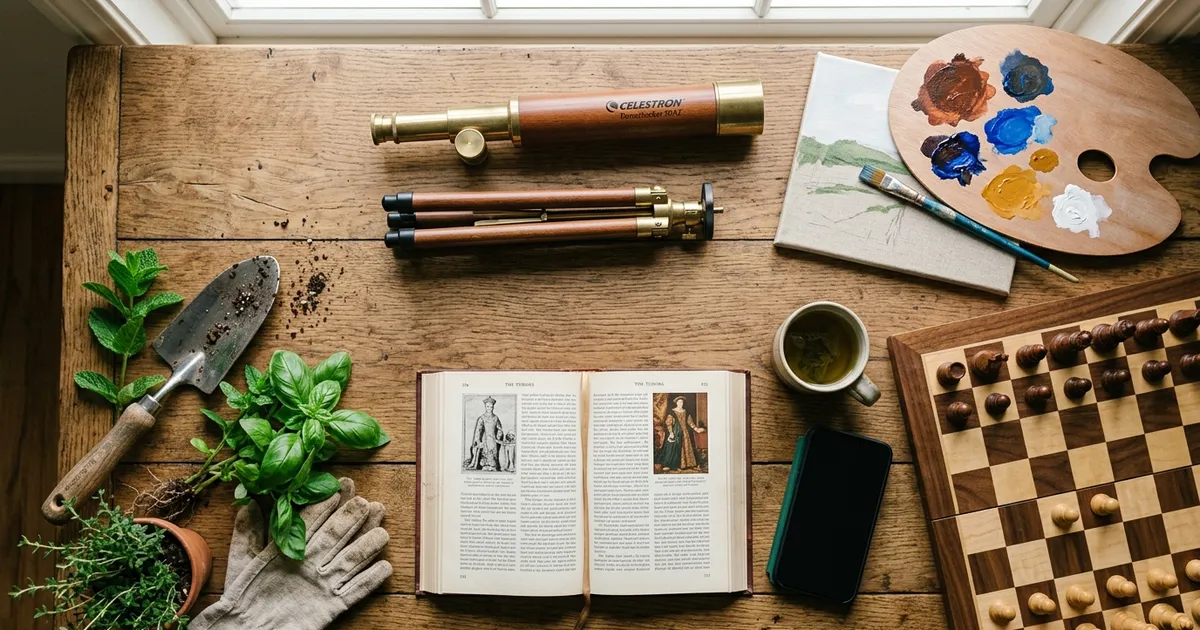
- A language. One of the richest workouts there is, and every phrase you learn is a small, satisfying victory.
- A memory technique. Skills like the memory palace pay off immediately in daily life, from remembering names to shopping lists.
- A creative skill. Painting, an instrument, or writing engages the brain and the emotions at once.
- A subject you always meant to understand. Astronomy, history, how the economy works, the topics you never had time for during your working years.
- A practical hobby. Gardening, cooking, or chess blend mental challenge with something tangible to enjoy.
The point is not to pick perfectly. It is to pick something and start. You can always change course, and curiosity has a way of leading you somewhere better than your first guess.
The habit is what makes it stick
Motivation gets you started; habit is what keeps you going. The learners who succeed later in life are rarely the most talented. They are the ones who showed up in small, consistent doses until the practice became automatic. Attach your five minutes to something you already do, like your morning coffee or your afternoon tea, and let the existing routine carry the new one.
Miss a day? It does not matter. The goal is not a perfect record, it is a durable habit, and one missed day never breaks a habit. Just open the app again tomorrow. Over weeks and months, those small sessions quietly add up to something you would once have called impossible.
A gentle word about doubt
The doubt itself is worth naming, because it is usually the only thing standing in the way. Feeling too old to start is a feeling, not a fact, and the science flatly disagrees with it. Every person who has ever learned something new later in life once sat exactly where you are now, wondering the same thing. They started anyway. The starting is the whole trick.
What learning does for you beyond the brain
The cognitive benefits are only half the story, and often not the half that keeps people going. Learning something new later in life reshapes how you feel about your days. It gives you a reason to get up curious, a topic to bring to the dinner table, and a quiet sense that you are still growing rather than merely getting older.
Studies consistently link continued learning and mental engagement with better mood, lower rates of loneliness, and a stronger sense of purpose in later life. Purpose is not a soft luxury. It is associated with better health outcomes and even longer life. When you learn, you are not just protecting your memory. You are giving your days shape and momentum, and that spills into everything else. Follow a thread of curiosity and it tends to pull the rest of your wellbeing along with it.
The bottom line
It is not too late. Not at 60, not at 70, not later. Your brain is ready to learn today, and it will thank you for the challenge. Forget the marathon. Pick one thing you are curious about and give it five minutes tomorrow morning. If you want the easiest possible place to begin, NerdSip is built to turn that first five minutes into a habit you actually enjoy.
Sources and Further Reading
- National Institute on Aging: Cognitive Health and Older Adults
- Harvard Health: Train Your Brain
- American Psychological Association: Learning New Skills Improves Memory in Older Adults
- National Library of Medicine: The Impact of Sustained Engagement on Cognitive Function in Older Adults
Frequently Asked Questions
Is it really too late to learn something new at 60?
No. Neuroscience is clear that the brain keeps forming new connections throughout life, a process called neuroplasticity. People routinely learn languages, instruments, and new careers well into their 60s, 70s, and beyond. Age changes how you learn slightly, but it does not close the door.
Does the brain stop being able to learn as you get older?
It does not stop. Some processing speed slows with age, but the ability to form new memories and skills continues throughout life. Older learners also bring advantages like richer context, patience, and better strategies. Regular mental challenge helps keep this ability strong.
How long does it take to learn something new at 60?
It depends on the skill, but consistency beats intensity. Five focused minutes a day, repeated, will take you further than an occasional long session. The realistic on-ramp is small daily practice, which fits easily into retirement and adds up quickly over weeks and months.
Every NerdSip course clears a four-layer fact-checking pipeline before it reaches the app: grounded in live sources, scored nightly, gated on failure, and reviewable by a person at one tap. Articles on this blog are drafted with AI assistance, then researched, verified, and edited by our team.
Editorial responsibility: ai51 UG (haftungsbeschränkt). Responsible editor named in the imprint.
📚 Keep Learning
Explore the NerdSip learning hubs
The blog is our editorial layer. When you want to move from reading into doing, these hubs organize the rest of NerdSip by format, including the app itself and the press that has written about it.
Start something new in five minutes
NerdSip makes learning at any age easy: pick any topic, get a short lesson with quizzes and a friendly streak, and feel your curiosity wake back up. Free to start.
4.7 stars from 380 reviews · 8,900+ learners